
The Future of Sustainable Wool: Understanding Woolrec
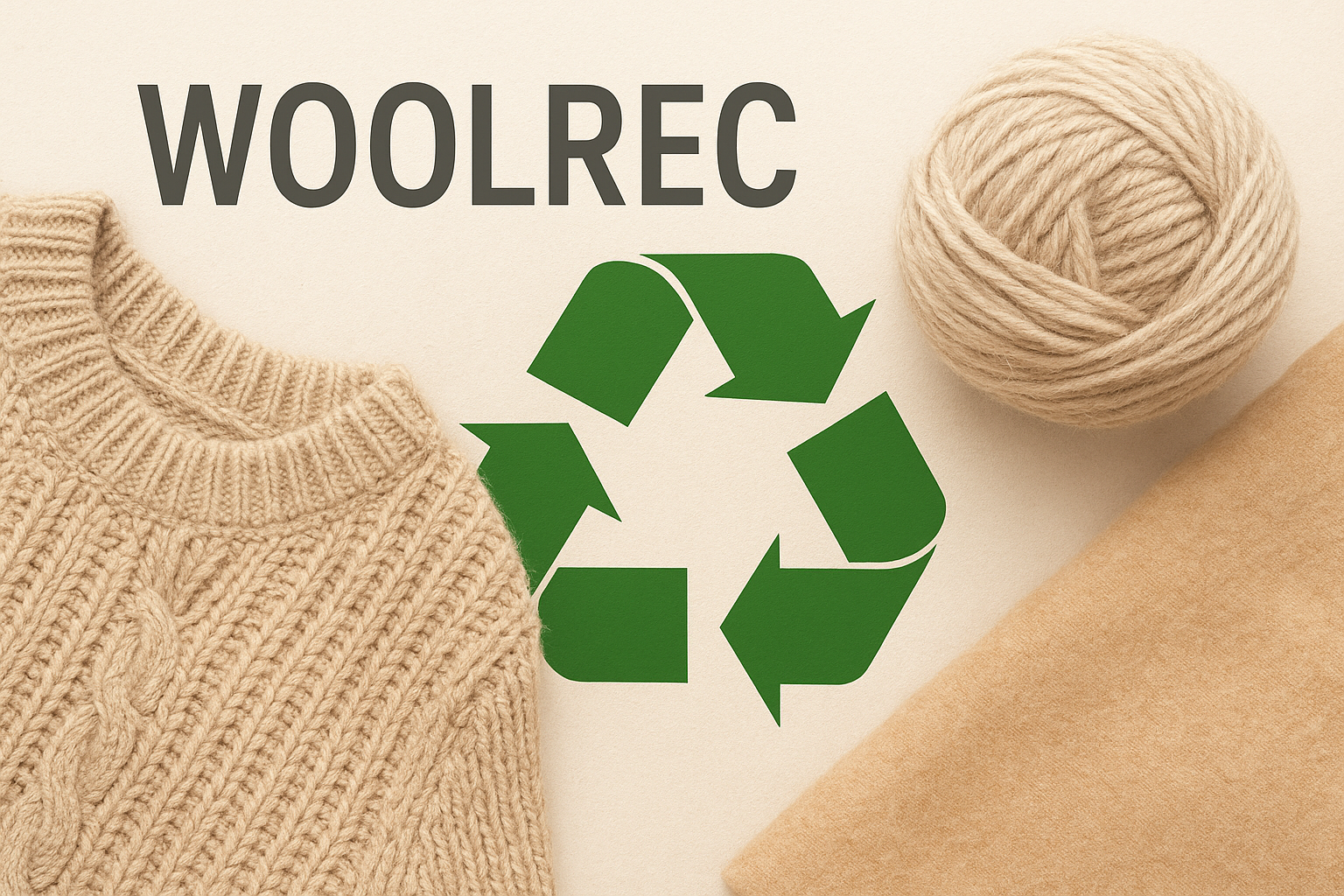
In a world shifting toward sustainable materials, wool has regained its importance as a natural and renewable resource. However, the challenge of textile waste has given rise to an innovative solution known as woolrec. This concept focuses on recycling and reusing wool fibers to reduce waste and environmental harm. The woolrec process not only preserves the beauty and quality of wool but also supports a cleaner, more responsible textile industry. This article explores the meaning, process, and impact of woolrec on the global fashion and fabric landscape.
What Is Woolrec?
Woolrec refers to a system or process that involves the recovery, cleaning, and repurposing of wool fibers from old garments, offcuts, and production waste. Instead of discarding wool-based textiles, the woolrec process gives them a new life by converting used fibers into usable yarn or insulation materials. It stands for “wool recycling,” combining traditional craftsmanship with modern eco-innovation. Through woolrec, the textile industry is finding a practical way to reduce waste, lower production costs, and protect the environment.
How the Woolrec Process Works
The woolrec process involves several careful stages to ensure quality and sustainability. It begins with the collection and sorting of used wool products, such as old sweaters, coats, and industrial wool waste. Each piece is sorted based on fiber type, color, and quality. Next comes the cleaning and decontamination phase, where wool is washed to remove dirt, dyes, and any synthetic materials.
Once clean, the wool is mechanically shredded into smaller fibers, which are then reprocessed into yarn or felt. These regenerated fibers are strong and versatile, allowing them to be woven into fabrics for new garments, home furnishings, and industrial applications. Woolrec ensures that every stage maintains fiber integrity, ensuring that recycled wool remains soft, warm, and durable.
Environmental Benefits of Woolrec
The environmental benefits of woolrec are significant. Traditional textile production consumes vast amounts of water and energy, and the disposal of unused clothing contributes to pollution. Through woolrec, these negative effects can be reduced. Recycling wool helps minimize carbon emissions, conserve water, and prevent tons of wool waste from ending up in landfills.
Additionally, woolrec supports circular economy principles by transforming waste into valuable materials. Instead of producing new fibers, existing resources are reused efficiently. This practice aligns with global sustainability goals and the growing demand for eco-friendly clothing among consumers.
Woolrec in the Fashion Industry
The fashion industry is embracing woolrec as part of its journey toward sustainability. Many brands are now creating collections made from recycled wool fibers, proving that eco-conscious fashion can still be luxurious and stylish. Woolrec allows designers to blend tradition with innovation, offering garments that are both fashionable and environmentally responsible.
Recycled wool fabrics maintain the same natural qualities as virgin wool—softness, warmth, and breathability—while reducing environmental impact. As more consumers look for ethical and durable clothing, woolrec continues to shape the future of sustainable fashion.
Challenges Facing Woolrec
Although woolrec offers promising solutions, it faces certain challenges. One of the main issues is fiber contamination, as many wool garments contain blends with synthetic fibers, making separation difficult. Additionally, recycled wool may sometimes have shorter fibers, affecting strength and texture. To overcome these problems, researchers are developing new technologies to enhance fiber recovery and maintain consistent quality.
Another challenge is consumer awareness. Many people remain unaware of the benefits of recycled textiles. Promoting woolrec through education and branding can help increase its adoption and create stronger demand for sustainable materials.
The Economic Value of Woolrec
Beyond environmental impact, woolrec offers substantial economic benefits. Manufacturers can reduce raw material costs by reusing existing fibers. It also creates new job opportunities in collection, sorting, and processing industries. By adopting woolrec, companies can build stronger sustainability credentials and attract environmentally conscious customers. This approach not only helps the planet but also boosts business growth and innovation in the textile sector.
Woolrec and the Circular Economy
The woolrec model fits perfectly into the circular economy concept. Instead of the traditional “make, use, and dispose” model, woolrec promotes “collect, recycle, and reuse.” This approach keeps materials in use for longer, reduces waste, and encourages responsible production. Woolrec demonstrates that sustainability and profitability can coexist when industries commit to long-term environmental goals.
The Future of Woolrec
The future of woolrec looks promising as technology continues to advance. Improved sorting systems, better cleaning techniques, and fiber-strengthening innovations will make wool recycling more efficient and widespread. Governments and global organizations are also recognizing the value of recycling programs, offering support for eco-friendly manufacturing practices.
As public demand for sustainable textiles grows, woolrec will likely become a standard practice rather than a niche solution. Its contribution to reducing waste and conserving resources will make it a cornerstone of the modern textile industry.
Conclusion
Woolrec represents the harmony between nature, technology, and responsibility. It transforms waste into valuable material and sets a powerful example of how sustainability can reshape industries. With continued innovation and consumer awareness, woolrec can revolutionize the future of fashion and textiles. Choosing woolrec is not just about recycling—it’s about building a sustainable world for generations to come.
FAQs
What does woolrec mean?
Woolrec refers to the process of recycling and reusing wool fibers from old or discarded garments to create new, sustainable products.
How does the woolrec process help the environment?
It reduces textile waste, conserves water, saves energy, and lowers carbon emissions by reusing existing wool instead of producing new materials.
Can woolrec products match the quality of new wool?
Yes, woolrec products often maintain similar warmth, texture, and durability as virgin wool when processed with modern techniques.
Is woolrec used only in clothing?
No, woolrec materials are also used in home furnishings, automotive interiors, and industrial insulation products.
What is the future of woolrec?
The future is bright as more brands and industries adopt sustainable practices, making woolrec a key part of eco-friendly production worldwide.
